
Understanding the psychology behind gambling Why do we take risks
The Thrill of Uncertainty
The psychology of gambling is often rooted in the thrill that comes from uncertainty. Many individuals are drawn to the potential for excitement and the rush that accompanies risk-taking. This thrill activates the brain’s reward system, releasing dopamine, which creates feelings of pleasure and euphoria. For some, the unpredictability of gambling mirrors life’s uncertainties, making it an exhilarating escape from the mundane. Exploring options like neosurf casino can provide even more ways to enhance this experience.

This desire for excitement can sometimes overshadow rational thought, leading individuals to engage in behaviors they wouldn’t typically consider. The adrenaline rush of placing a bet or spinning the roulette wheel can be addictive, as it creates a powerful emotional response. Understanding this allure helps explain why many are willing to risk their money for the chance of winning big, even when the odds are not in their favor.
Cognitive Biases and Gambling
Cognitive biases play a significant role in the decisions gamblers make. One common bias is the illusion of control, where individuals believe they can influence the outcome of games that are, in fact, random. This misconception can lead to overconfidence and increased betting activity, as players feel empowered to win. Moreover, gamblers may fall victim to the gambler’s fallacy, where they believe past outcomes will affect future results, leading to irrational betting patterns.
These biases highlight the disconnect between perceived control and actual randomness in gambling scenarios. Players often misinterpret their experiences, reinforcing their gambling behavior and making it difficult to break the cycle. Recognizing these biases is crucial for understanding why people continue to gamble despite experiencing losses.
The Social Aspect of Gambling
Gambling is not solely an individual endeavor; it often has a social component that enhances its appeal. Many people participate in gambling as a form of social interaction, where the camaraderie of friends or the atmosphere of a casino adds to the enjoyment. This social environment can provide a sense of belonging and community, making the act of gambling more appealing.
Additionally, the social nature of gambling can lead to increased participation as individuals feel pressure or encouragement from peers. Events like poker nights or visits to casinos become bonding experiences, further entrenching gambling habits. Understanding the social dynamics at play offers insight into why many individuals are willing to take risks in these settings.
The Role of Marketing in Gambling
Marketing strategies employed by gambling establishments significantly influence individual behavior. Promotions, bonuses, and advertisements create a sense of urgency and excitement, enticing potential players to take risks. The portrayal of gambling as a glamorous and thrilling activity often overshadows the inherent risks involved, leading to a skewed perception of reality.
Moreover, targeted marketing can exploit psychological triggers, such as the fear of missing out or the promise of quick rewards. This can result in impulsive decision-making, with individuals drawn to participate without fully understanding the consequences. Recognizing the impact of marketing on gambling behavior is essential for individuals to make informed choices.
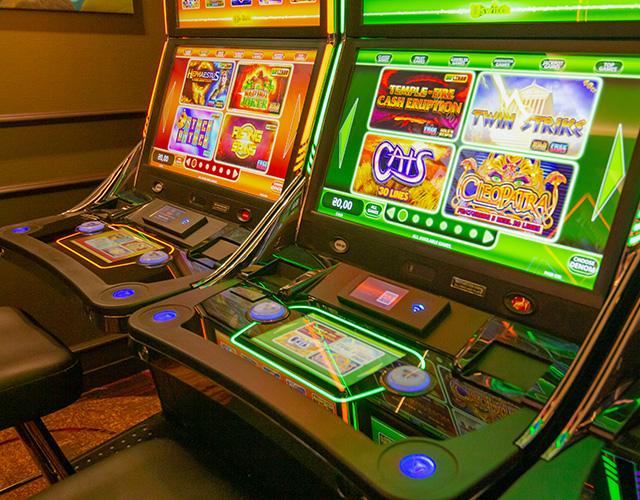
Comprehensive Resources for Responsible Gambling
Websites dedicated to online gambling often provide valuable resources for managing risk and ensuring a responsible gaming experience. These platforms offer guidelines on how to set budgets, recognize problematic behavior, and access support when needed. By promoting responsible gambling, they aim to create a healthier relationship between players and their gaming habits. Utilizing these resources can also help players better understand how to approach their gambling.
In addition, these sites frequently feature articles and tools to educate users about the psychological aspects of gambling, helping them understand their motivations and behaviors. The integration of responsible gambling practices within the gaming community fosters a safer environment, allowing individuals to enjoy the thrill of gambling while minimizing risks to their mental and financial well-being.